
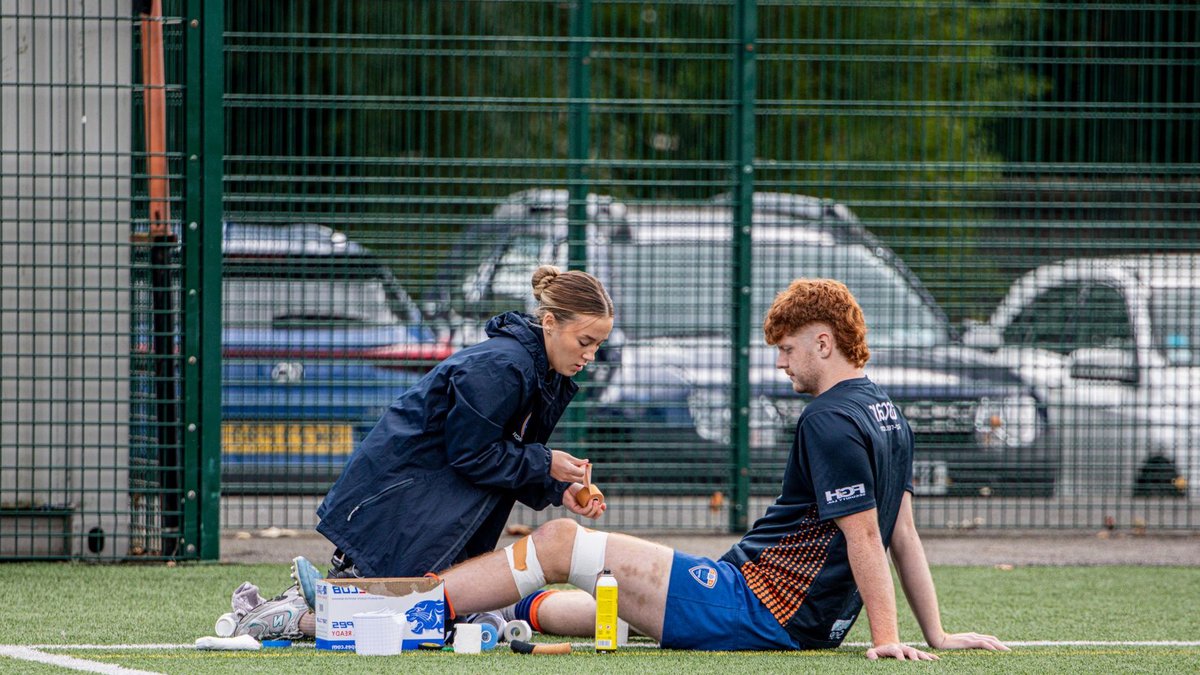
Knee pain and ragged cartilage often send patients straight to the operating room, but a new study suggests surgery is not always the right answer. According to recent research, some knee injuries heal better with physical therapy and time than they do with surgical intervention. The findings indicate that a patient’s age and the specific nature of the injury play a major role in determining the best course of action.
Surgery isn’t always necessary for every knee issue. The study examined a variety of conditions, comparing outcomes between surgical treatment and conservative care. Researchers found that for certain types of cartilage damage, the body can repair itself if given the right environment. Physical therapy helps strengthen the surrounding muscles, which can stabilize the joint and reduce pain without the need for invasive procedures.
Age proved to be a significant factor in the results. Younger patients often healed faster with conservative methods, while older patients sometimes required surgery to maintain mobility. The nature of the injury also dictated the outcome. Minor tears and surface-level damage responded well to rest and therapy, whereas structural failures often necessitated surgical repair.
Managing Brain Health in Sports
Head impacts in contact sports create inflammation in brain microstructures that goes on to affect brain areas related to mood and memory. The effects are not limited to professional leagues, as amateur players are also showing signs of these changes. Concussions in sports have long been a concern, but new evidence highlights the lasting impact of repeated hits.
Related: When to shed baby weight matters
Deceased young athletes have shown brain damage consistent with repeated knocks to the head. This suggests that the risks of contact sports begin long before professional status. For amateur players, the association between heading the ball and cognitive issues remains a valid concern, pointing to the need for better protective gear and safer playing techniques.
While the physical signs of a concussion may fade, the damage is far from over. Symptoms like headaches, brain fog, and light sensitivity can persist long after the initial injury. For NFL players and others with a history of head injuries, concussion symptoms on the field have been linked to cognitive functioning issues later in life. The long-term outlook for athletes with a history of concussions remains a subject of intense scrutiny.
The Hidden Costs of Aging
Thickening or scarring of the heart muscle is not uncommon in aging athletes and can bring on an irregular heartbeat. This condition, known as athletic heart syndrome, requires careful monitoring to ensure it does not lead to more serious heart problems. The good news is that there is help available for managing these conditions.
Heart health in athletes involves a balance between the physical demands of training and the body’s physiological response. As athletes age, the heart adapts in ways that are sometimes beneficial but can also lead to complications. Regular check-ups and tailored exercise plans are essential for maintaining cardiovascular health in this demographic.
Related: User Blocked from Online Platform
Developing grit and resilience in children through sports offers benefits beyond physical fitness. The mental toughness gained from athletic pursuits can translate into other areas of life. While the physical risks of sports are real, the psychological benefits for young athletes are equally significant. Getting started in sports can be challenging, but the long-term rewards are worth the effort.
Nutrition and Fitness
A healthy diet is good for cardiovascular health, and it might also make it easier to get fit, thanks to the metabolites it produces. Proper nutrition supports the body’s ability to recover from exercise and perform at a high level. The connection between diet and fitness is complex, involving various metabolic pathways that influence energy levels and recovery times.
Metabolites produced during digestion affect how the body responds to physical activity. A balanced diet ensures that these compounds are available in the right amounts to support muscle growth and repair. This makes nutrition a foundational element of any fitness regimen, working in tandem with exercise to achieve optimal health outcomes.


