
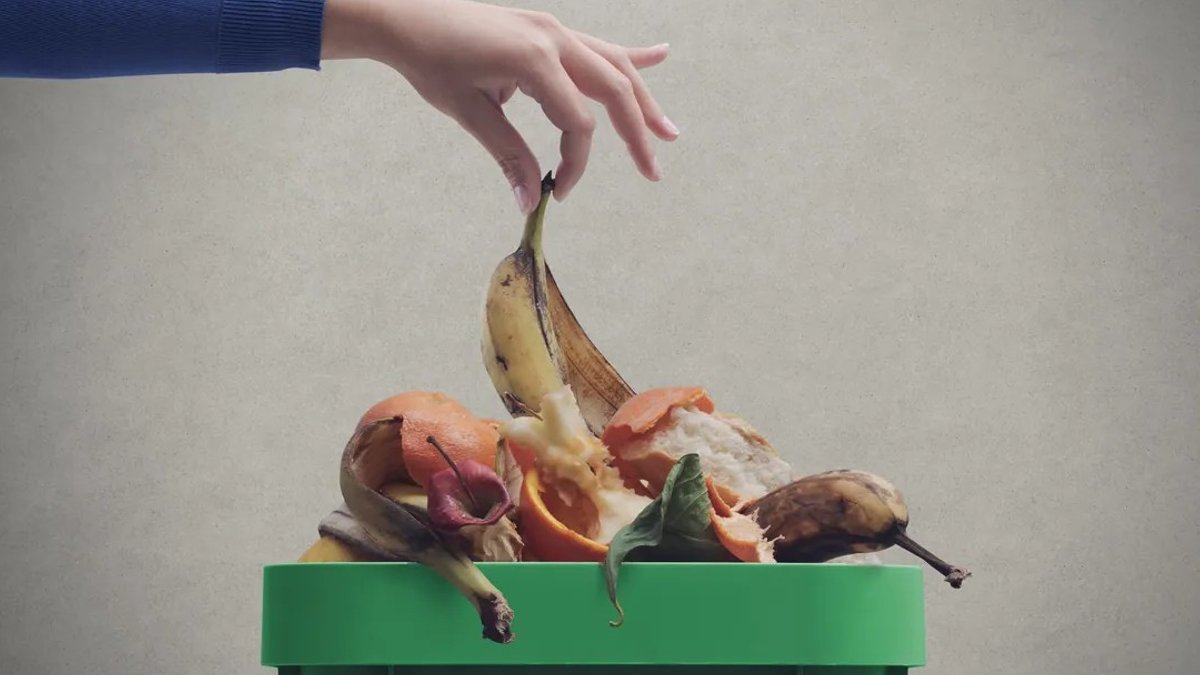
Every year, nearly one-third of all food produced globally is lost or wasted before it reaches consumers. On International Food Loss and Waste Awareness Day, experts emphasize that the issue goes beyond food shortages—it fuels hidden hunger, where nutrient-rich foods like fruits, vegetables, dairy, and fish disappear first, leaving millions malnourished despite sufficient calories.
The United Nations states that 13% of food is lost after harvest and another 19% is wasted in homes, restaurants, and stores. Despite this volume, 645 million people faced hunger in 2023. The problem extends beyond quantity to quality, as the most vulnerable foods—those rich in vitamins and minerals—are the first to spoil or be discarded.
Alan de Brauw, a senior research fellow at the International Food Policy Research Institute (IFPRI), argues that technology and financing could address these gaps, but only if solutions align with practical constraints. “We need more money flowing to nutrition-oriented entrepreneurs for sure, but how to convince those with money to invest in that message is still an issue. Technology, when well designed and employed, could help bridge that gap.”
Ann Vaughan, associate vice president of Resilient Futures at Care, highlights a major oversight: most solutions overlook the challenges women face, who handle up to half of post-harvest processing in many regions. Solar dryers, hermetic storage, and biodigesters often fail when scaled because they ignore women’s limited access to land, credit, and decision-making authority. Vaughan explains that technologies designed without women’s input frequently worsen their workload or require collateral they cannot provide.
Even when tools are available, market barriers persist. Without guaranteed offtake agreements or purchasing contracts, smallholders, especially women, struggle to sell perishable goods before spoilage. Vaughan stresses that producing more food does not improve nutrition if a third of the harvest never reaches consumers. The most affected foods, fruits, vegetables, dairy, and fish, are fragile and volatile in price, leaving households vulnerable to hidden hunger.
Why Cold Chains Fail Small Farmers
High-cost refrigeration and advanced cold chains, while effective, remain out of reach for those without reliable electricity or infrastructure. The result is that nutrient-dense foods vanish before they can be consumed. Vaughan advocates for redefining “nutrient-dense” to include locally available fresh foods, which are both perishable and prone to price fluctuations.
A wide-ranging approach combining technology, financial support, and women’s economic empowerment is required to cut food loss and waste (FLW), according to the International Food Policy Research Institute (IFPRI) and the NGO Care. The UN Sustainable Development Goal 12.3 targets halving food loss and waste by 2030, but progress remains uncertain. De Brauw warns that global tracking of losses is inconsistent, particularly for fruits, vegetables, and animal-source foods. “We need to know more about where losses occur within value chains so we can come up with better innovations to reduce them,” he says. “That said, I think it’s safe to say that we haven’t seen enough innovation.”
De Brauw challenges the EAT-Lancet Commission’s claim that reducing food waste alone can create a sustainable food system by 2050. IFPRI research indicates actual post-harvest losses for vegetables average 10–15%, excluding consumer waste. “Our research shows that when we examine losses within value chains (only post-harvest losses) among vegetables, losses are more like 10–15% on average, without including waste, which occurs at the consumer level.”
Systemic Barriers Block Even Good Solutions
The issue is not just technical but systemic. Without addressing market access, women’s economic empowerment, and design flaws in existing solutions, even advanced tools will fail to reach those most in need.
The United Nations notes that reducing food loss and waste could address climate change, food insecurity, biodiversity loss, and rising living costs. Between 2010 and 2016, food waste accounted for 8–10% of global greenhouse gas emissions. Cutting waste could ease resource pressure while lowering costs for consumers and producers. However, the challenge extends beyond emissions; it requires transforming how food moves from field to table, especially in regions with weak infrastructure.
Vaughan emphasizes that technology alone cannot solve the problem. Women handle up to half of post-harvest processing in many regions, yet financing systems exclude them due to lack of land titles or credit access. “Technologies designed without women’s input usually don’t work for women,” she states. Many innovations remain unused, leaving nutrient-dense foods to spoil before reaching markets.
Pilot Success Doesn’t Equal Real-World Impact
Care’s recent report found that food loss and waste technologies often fail after pilot phases because they disregard smallholder realities. Vaughan advocates for circular economy approaches, such as converting agricultural waste into biofertilizer, to build resilience and ensure women gain fair market prices and financial control.
De Brauw believes logistics innovations could deliver the greatest nutrition gains in low- and middle-income countries, especially when combined with contracts and financing. “These can easily be combined with contracts and finance, if platforms are designed properly, and add real value to everyone involved. They seem to require some vertical integration in value chains to make them work well,” he argues. However, he cautions that progress has stalled. Without better data on loss hotspots, targeted solutions remain difficult to implement. The focus must remain on market access, women’s empowerment, and technologies that truly serve smallholders, before the next harvest spoils.


