
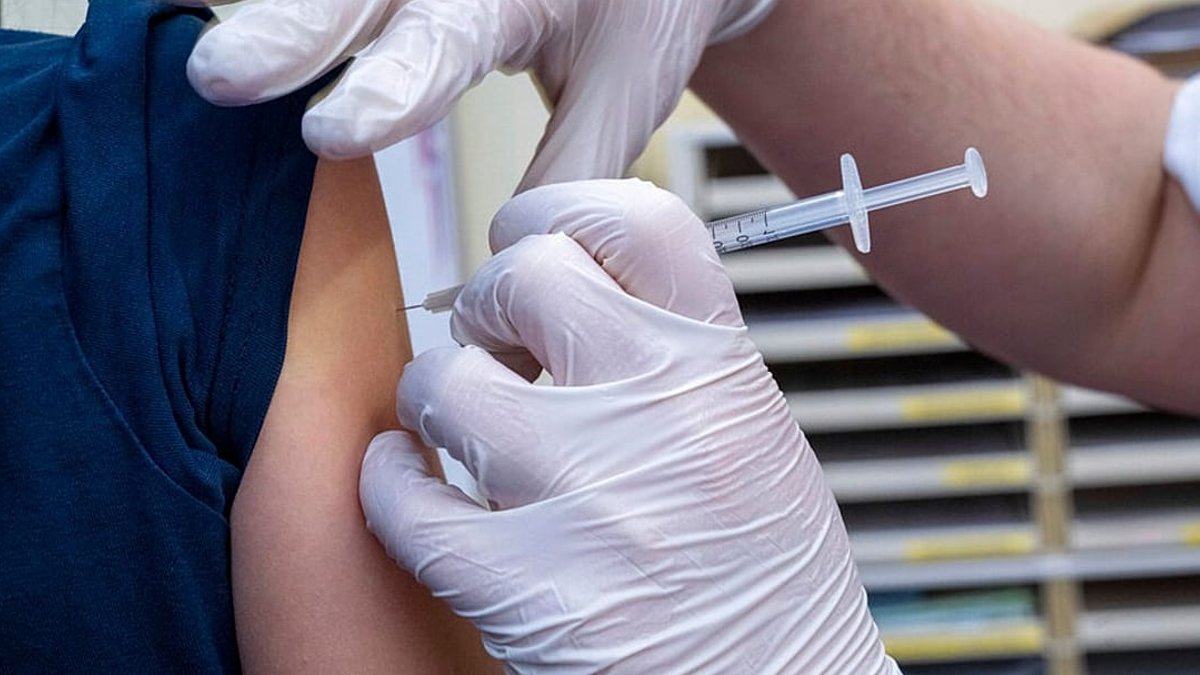
As autumn approaches, health officials emphasize the importance of vaccinations, particularly for vulnerable populations. In Germany, the focus is on protecting against several diseases, including influenza, pneumococcal infections, herpes zoster (shingles), and respiratory syncytial virus (RSV).
The German federal government agency Koch Institute (RKI) reports that influenza vaccination rates among people aged 60 and over have reached a 17-year low, with only 34% vaccinated in 2025. They recommend influenza vaccination for this age group, as well as for individuals with chronic illnesses, care home residents, medical staff, pregnant women, and those in contact with animals like pigs or poultry.
In addition to the influenza shot, the RKI advises older adults to consider vaccination against pneumococcal infections and herpes zoster. The decision to vaccinate against RSV should be made in consultation with a doctor.
They also recommend coronavirus vaccination for individuals over 75 or belonging to risk groups, such as immunocompromised patients or medical staff. However, due to reduced recommendations, not all patients with statutory health insurance have their coronavirus vaccination fully reimbursed. As a result, only 16% of people over 60 in Germany were vaccinated against COVID-19 in 2025.
Germany has a specific vaccination schedule for children, including immunizations against RSV, tetanus, diphtheria, whooping cough, polio, hepatitis B, meningitis, measles, rubella, and mumps. The Measles Protection Act mandates proof of vaccination or immunity for children before entering nursery or school, as well as for individuals born after 1970 working in childcare or healthcare facilities.
Recent studies suggest vaccinations may offer benefits beyond protecting against specific diseases. Research is ongoing to determine if the influenza vaccine can help prevent cardiovascular complications and if certain vaccinations can reduce the risk of dementia. The Deutsches Ärzteblatt highlights evidence of heterologous or non-specific effects, where a vaccination can alter the immune system’s response to other pathogens or diseases.
As winter approaches, health authorities urge eligible individuals to prioritize vaccinations, particularly against influenza and other recommended diseases. By doing so, people can protect themselves, contribute to public health, and potentially reduce the burden on healthcare systems.


