
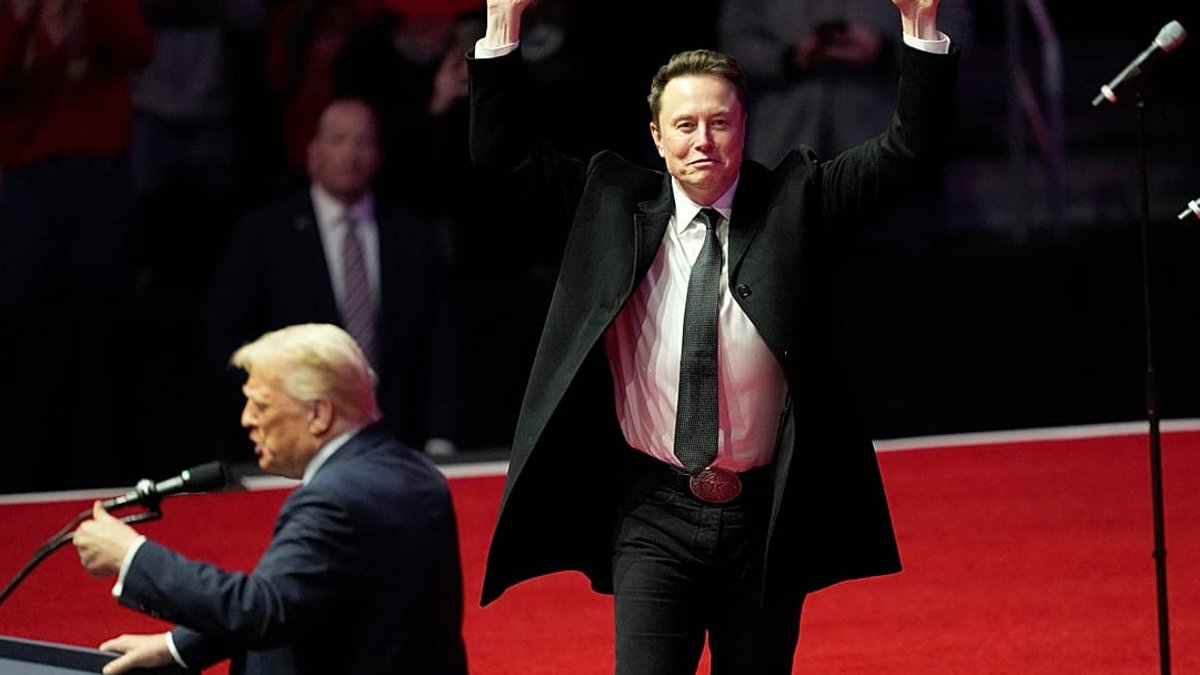
Elon Musk has confirmed that Tesla and SpaceX are in final discussions to merge, a consolidation that would produce the world’s most valuable corporation by market capitalization. Together, the two enterprises are valued at approximately $3.5 trillion, exceeding any prior merger in corporate history. This initiative represents the latest phase in Musk’s decade-long effort to integrate his diverse business holdings under a unified corporate framework.
The proposed merger aligns with a pattern of acquisitions Musk initiated in 2016, when Tesla acquired SolarCity, the solar energy firm operated by his cousins. That transaction endured years of legal disputes before finalizing. More recently, his artificial intelligence company, xAI, absorbed Twitter in 2025 after Musk purchased the platform for $44 billion in 2022. In February 2024, SpaceX completed its acquisition of xAI, with the deal valuing SpaceX at $1 trillion and xAI at $250 billion. This transaction preceded SpaceX’s record-breaking initial public offering in June 2024, which raised $85.7 billion—the largest stock market debut ever recorded.
Read Also: Major emitters’ health pledges lack climate action, report finds
Musk has frequently highlighted the expanding synergies between Tesla and SpaceX, particularly in artificial intelligence applications. The two companies are already collaborating on Terafab, an AI-driven semiconductor manufacturing facility in Texas. SpaceX’s planned orbital data centers could provide the computational backbone for Tesla’s autonomous vehicle systems and humanoid robotics projects, including the Optimus model. From a financial perspective, the merger presents compelling advantages: SpaceX reported its first-ever quarterly profit after going public, generating $4.4 billion on revenue that surged 161%, though capital expenditures reached $19.6 billion, primarily for AI infrastructure. Meanwhile, Tesla’s net profit declined by 43% to $787 million as vehicle deliveries fell by 2% and overall revenue remained flat.
A merged entity would consolidate operational control under Musk’s leadership. While he currently holds about 48% ownership and over 80% voting power in SpaceX through special shares, his stake in Tesla stands at roughly 20%. Musk has stated he requires at least 25% voting control in Tesla to redirect its focus toward AI and robotics initiatives. Beyond strategic alignment, the merger would streamline resource allocation between the companies, reducing legal exposure from transactions between related parties.
Read Also: Regular tea drinking linked to lower stroke risk
The timing of the merger may reflect Musk’s political considerations. A Trump administration might provide a more accommodating regulatory climate, though the deal would still face shareholder and antitrust reviews. Musk, who previously clashed with Trump over cost-cutting demands, has since reconciled and emerged as the leading financial backer of Republican candidates ahead of the 2024 midterm elections, contributing over $276 million since July.
Tesla shareholders will consider the merger proposal at a special meeting scheduled for December 3. Independent board committees reviewing the deal have yet to finalize terms, and approval would require support from more than half of Tesla’s shareholders—a threshold that presents a formidable hurdle. Musk has emphasized that the merger is not guaranteed, but if approved, it would represent the fulfillment of his ambition to unite his corporate holdings under a single, dominant structure.


