
Major polluters, including the European Union, are not aligning their climate pledges with sufficient emissions reductions, as shown by a new assessment from the Global Climate and Health Alliance. This group of NGOs examined 132 nations’ pledges and discovered a gap between statements and results. The EU differs from most others because it submits one joint nationally determined contribution (NDC) under the Paris Agreement, representing its 27 member states.
Health promises without emissions action
The alliance’s Scorecard evaluates how countries integrate health into their climate plans across eight categories, including climate-related health impacts, air pollution, healthcare sector action, health co-benefits, just transition, governance, financing, and implementation. While the EU, Indonesia, South Africa, Türkiye, Canada, and the UAE scored higher for health, their emissions reductions fall short of protecting populations. Colombia topped the ranking with 29 points out of 32, followed by Nigeria with 25 and Cambodia with 24. The 2026 NDC Scorecard placed the EU 12th, with 19 of the top 20 countries being low- or middle-income economies.
Jess Beagley of the Global Climate and Health Alliance called this situation “hypocrisy,” stating that governments cannot prioritize health without addressing fossil fuel dependence. Beagley emphasized, “We can’t pay lip service to health unless we are taking action on health.”
Air pollution targets lacking
Among high-emitting economies, only the EU included a specific target for reducing air pollution in its climate plan: phasing out hydrofluorocarbons by 2050. However, none of these countries set targets for black carbon, nitrous oxide, or ozone, which contribute to global warming and harm human health. The EU’s plan stands in contrast to other high emitters, which lack such specific commitments.
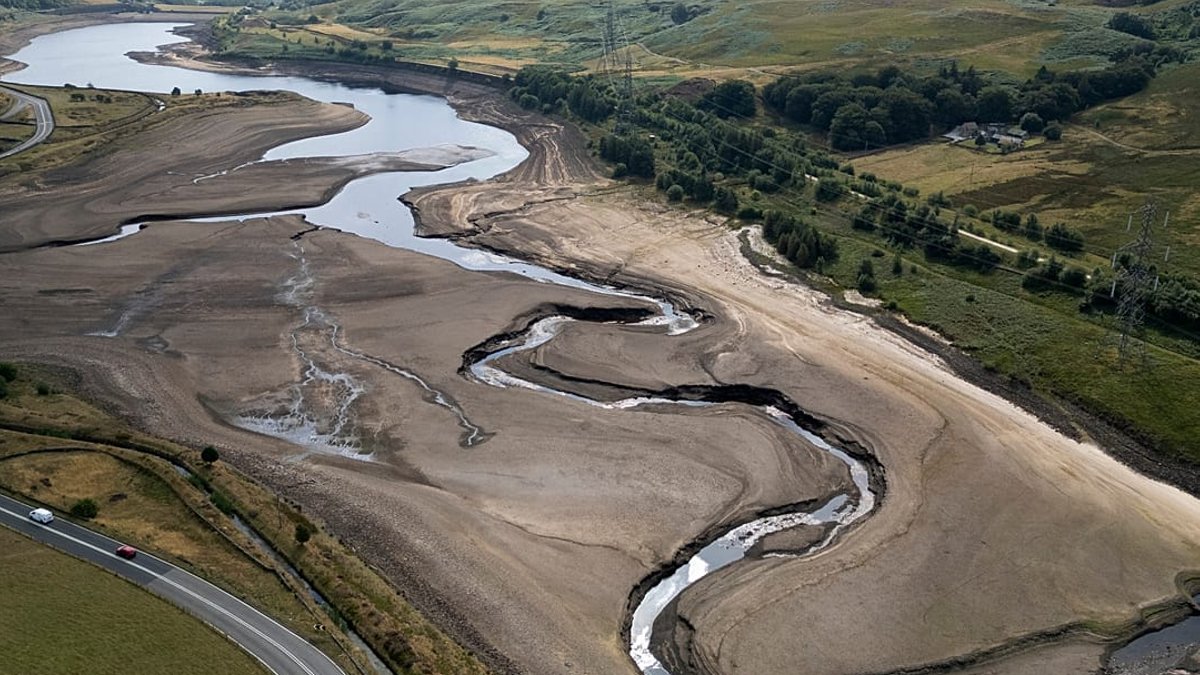
The impact is already evident. The figures cited in the report include more than 1,400 deaths and over 6,600 people missing in Nepal, eight million children at risk of hunger in Eastern and Southern Africa and tens of thousands of deaths associated with European heatwaves. These figures show the urgent need for action.
Wealthy nations must act faster
The analysis reveals that health ministries participated in developing national climate plans in only 15% of countries. Their absence risks overlooking health consequences in energy, transport, and industry decisions. Beagley warned that without health ministry involvement, governments may fail to address the health impacts of climate policies.
The upcoming COP31 in November will test whether the growing health impacts of extreme weather will lead to more ambitious policies.


