
Syphilis cases are rising in Hungary, with 747 cases registered in the last three months of this year. The National Public Health and Pharmaceutical Centre reported 516 cases in the provinces and 231 cases in Budapest.
According to the National Public Health and Pharmaceutical Centre, 144 cases of congenital syphilis were recorded by November 12, with 31 cases ending in death. This includes 26 foetuses that died in the womb and five newborns that lost their lives after birth due to the infection.
Hungary’s syphilis infection rate is six times higher than in Romania and 20 times higher than in Croatia, according to data from the European Centre for Disease Prevention and Control. The number of reported syphilis cases in Hungary rose from 777 in 2020 to 2,462 in 2025, according to the National Public Health and Pharmaceutical Centre figures.
The most affected counties are Bács-Kiskun, Szabolcs-Szatmár-Bereg, Jász-Nagykun-Szolnok, and Heves. Hungary also reports more congenital syphilis cases than other countries in the European Union, with 42 cases in 2024, followed by Bulgaria with 30 cases.
Syphilis Causes and Symptoms
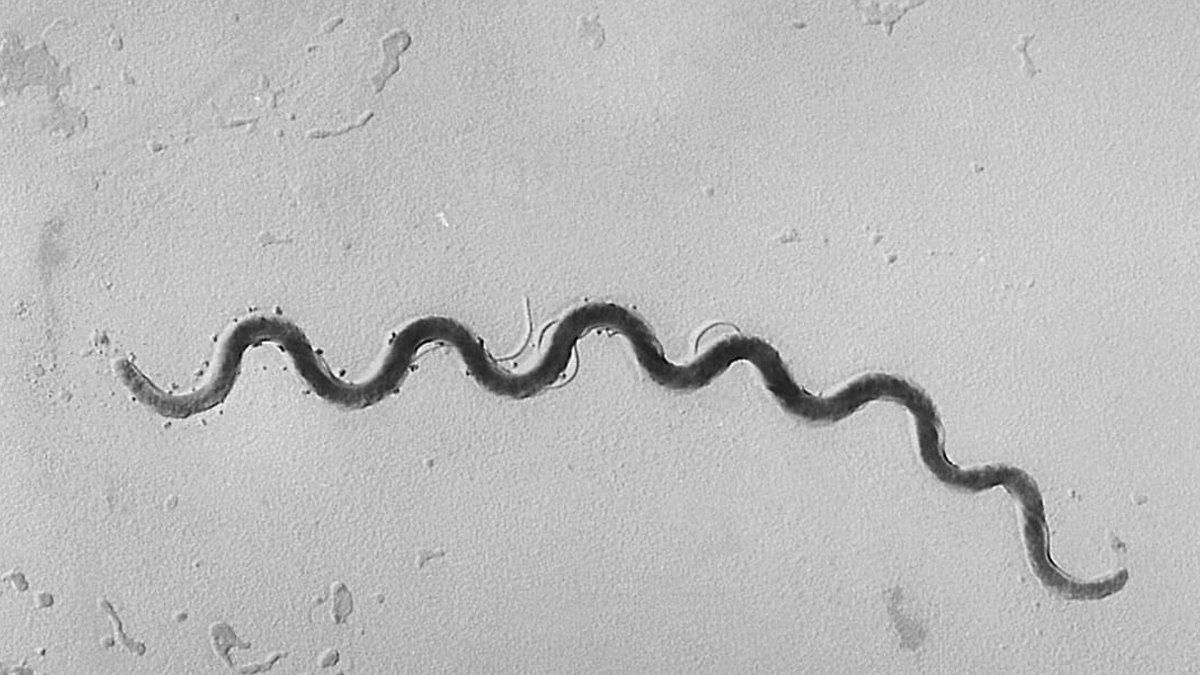
Syphilis is caused by Treponema pallidum, a bacterium that is transmitted mainly through sexual contact. It can also pass from mother to child during pregnancy or through breastfeeding. One of the first signs of infection is usually a painless ulcer, which may disappear even without treatment.
Syphilis can be transmitted during vaginal, anal, and oral sex, and sex without a condom increases the risk of passing on the infection. Symptoms of syphilis can resemble many other diseases, and early symptoms can disappear even without treatment, but that does not cure the infection.
Patterns of sexual encounters have changed, and many infections go unnoticed, with not everyone getting screened in time. This can delay diagnosis and cause the disease to spread. In Hungary, the situation is particularly worrying, with the number of reported syphilis cases rising rapidly.
Risks for Pregnant Women
For pregnant women and foetuses, syphilis is particularly dangerous, as the bacterium can cross the placenta and infect the developing foetus, known as congenital syphilis. According to the National Public Health and Pharmaceutical Centre data, 91 newborns were infected with syphilis in 2025, and 100 cases were registered in the first eight months of 2026.
The target set by the World Health Organization is 50 cases per 100,000 live births, but the Hungarian figure is more than twice as high. A study published by experts at Semmelweis University found that 75% of infections were only recognized in the second or third trimester, and 94% of pregnant women had no symptoms at the time of diagnosis.
In response to the situation, the National Public Health and Pharmaceutical Centre has issued a new national protocol for the examination and treatment of pregnant women and the care of their partners, including mandatory syphilis screening in the first trimester and repeat screening between the 24th and 28th week of pregnancy. The protocol also includes rapid testing at birth for women who have not attended antenatal care or are at high risk of infection, with penicillin treatment to begin within three days if they test positive.


