
While personalized medicine is already applied in certain treatments, its wider use hinges on a more full understanding of the human genome. The Genome of Europe initiative stands as one of Europe’s most extensive population genomics projects, uniting 49 partners from 27 nations to establish a shared database of at least 100,000 human genomes. This resource aims to capture the genetic diversity across European populations. Funded with a €45 million budget, including €20 million from the European Commission’s Digital Europe programme, the project launched in autumn 2024 and is set to span 3.5 years.
Cyprus maps its own DNA
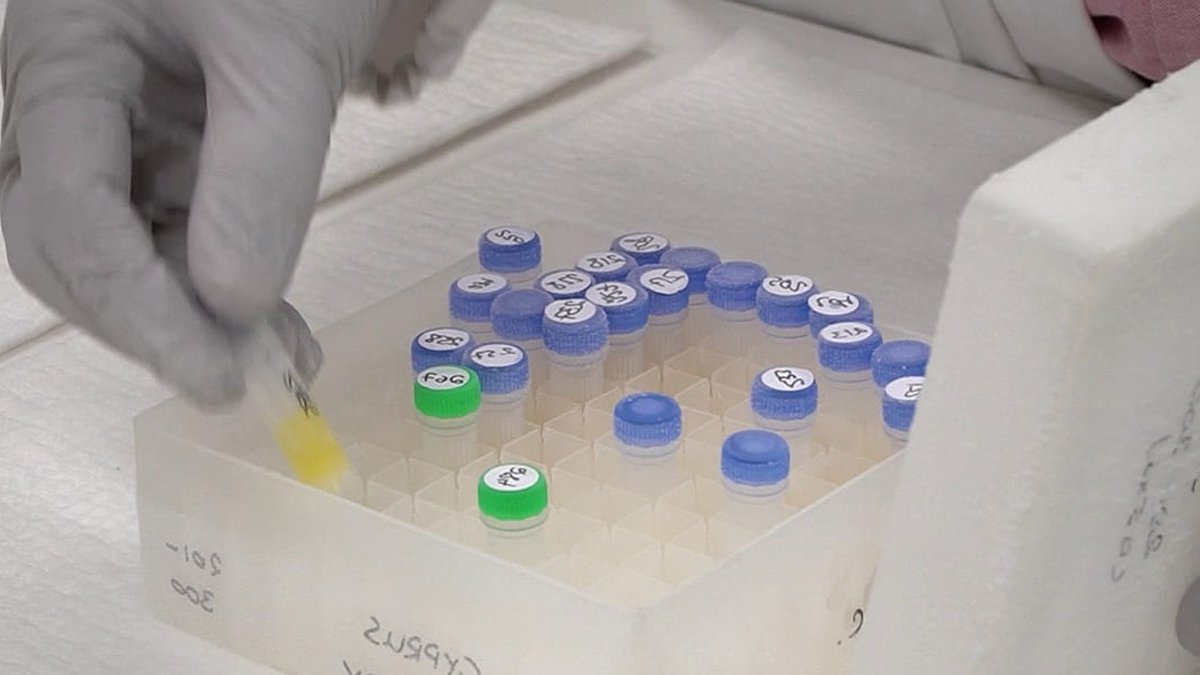
Cyprus is taking part in this effort through the Centre of Excellence for Biobanking and Biomedical Research biobank.cy at the University of Cyprus. Its contribution includes sequencing the whole genome of at least 310 Cypriot volunteers. These samples will feed into the European reference base. The mapping of the Cypriot genome began in 2019 under the Cypriot Human Genome Project (CYPROME). More than 1,000 exomes from Cypriot volunteers have already been analysed. An exome is the part of the genome that includes the protein-coding regions of genes. This differs from sequencing the whole genome, which examines a much larger section of DNA.
The Centre of Excellence biobank.cy holds a vast collection of over 123,000 biological samples from 12,257 volunteers, engaged in 14 research programmes. These samples are used to study various diseases, including hereditary kidney diseases and heart conditions. The centre’s research also focuses on developing preclinical models for rare diseases, such as Alport syndrome. By creating a reference genome, scientists can compare genetic findings and assess their frequency in the population. This enables researchers to identify genetic variants and understand their significance. The centre’s work is essential for advancing our understanding of genetics and developing personalized treatments.
Read Also: US Loses Measles-Free Status After 26 Years Amid Outbreaks
Populations, such as that of Cyprus, have their own specific characteristics. Understanding the genome at the local level is essential, because the relevant information cannot simply be inferred from research in other populations. This approach helps close the gap between a genetic database and the actual diversity of the people it represents. When a doctor or scientist is interested in starting research into a condition, the process is described as a time-consuming marathon. It takes a great deal of time and effort to collect all these data and samples. Someone who has a whole biobank and this wealth of information in their toolbox has a starting line 10 kilometres ahead of everyone else.
Protecting patient data
DNA contains highly sensitive information, not only about a person’s health but also about their biological relatives. The Cyprus Biobank operates with the approval of the National Bioethics Committee of Cyprus and in accordance with the European General Data Protection Regulation (GDPR). The centre applies multiple layers of technical and organisational security, with restricted access to personal data. Protection begins even before the first sample is collected.
When a volunteer comes to the centre, staff provide sufficient information. They try to make sure that the volunteer has understood it. A consent form is signed, in which all rights are recorded. Participation remains voluntary even after signing. Volunteers can withdraw their consent at any time, without any impact. In the case of patients, this decision does not affect their treatment or their relationship with their treating doctor.
The centre has also carried out a survey involving around 569 Cypriots, examining their views on genetic tests and taking part in genetic research. Most participants were positive towards genetic research but want transparency and information about how their data are used. They are also interested in being able to receive results from the studies in which they take part. Those who had been in contact with patients with diagnosed conditions were more positive about receiving genetic results back from specialist doctors. This finding highlights the need for better public information on genetic research. The European Genomic Data Infrastructure (GDI) programme works alongside Genome of Europe to ensure the secure interconnection of genetic data.
Read Also: Pune Triathlon Sets Participation Record Nakade Triumphs
Researchers will be able to carry out analyses on the systems where the data are stored, without the files themselves needing to be transferred from country to country. This cooperation is particularly important for rare diseases, as it allows genetic findings from different populations to be compared. Precision medicine is already used in some treatments, especially in oncology. However, the development of medicines tailored to the genetic characteristics of each patient remains a long-term prospect. The knowledge now being gathered from the DNA of thousands of volunteers will help deliver better diagnoses, more effective prevention and treatments tailored to patients’ needs.
Ensuring Data Security and Public Trust
Scientists must use genetic data from different countries without risking security. Volunteers can give more than one sample and DNA sequencing is a separate process.
How scientists will use the data
Researchers will be able to compare genetic findings against the European reference base. This allows them to assess how common or rare specific genetic variants are in a population. The Cypriot reference genome supports medical research and molecular diagnosis. It acts as a standard for comparison. When a variant is found in a patient, scientists can check if it is frequent in the local population. This helps them understand if the variant is a cause of the disease or just a normal difference. The data stored at the centre feeds directly into these international efforts. The information gathered from Cypriot volunteers is essential for the broader European dataset.


