
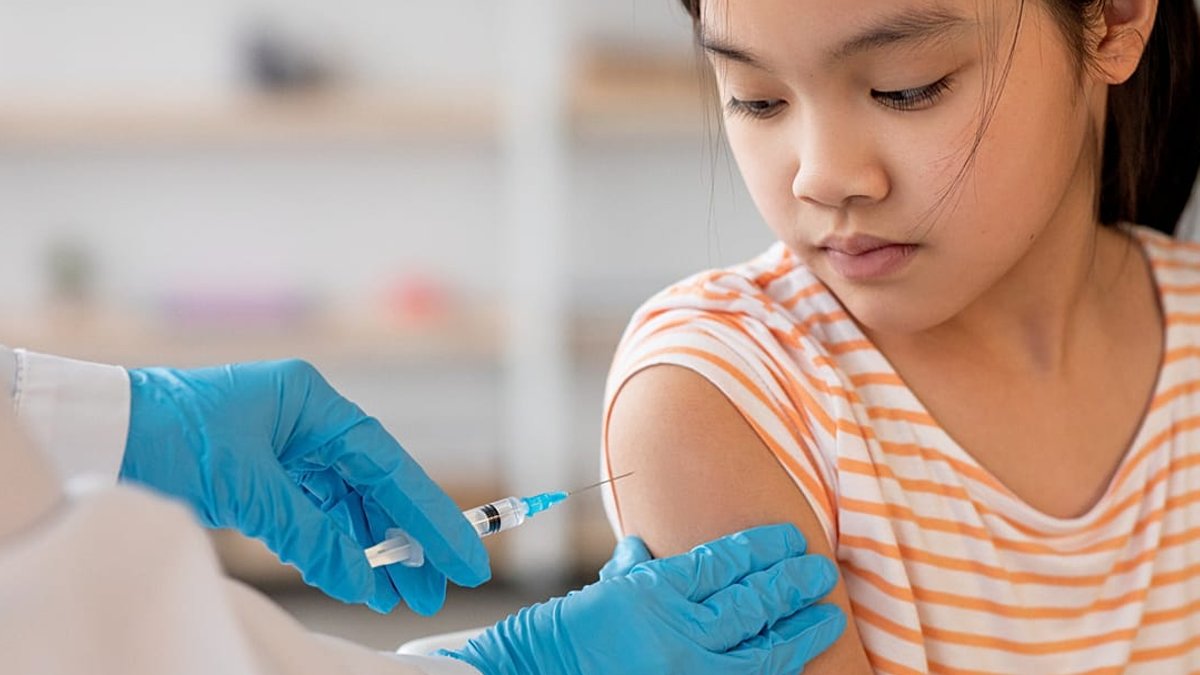
A vaccine against the human papillomavirus (HPV) can prevent several cancers, including cervical cancer, but vaccination rates vary widely across Europe. Teenage girls in the Nordics, Spain and Portugal are more likely to be vaccinated against HPV than anywhere else, while boys in Central and Eastern Europe are least likely to get the jab, according to data from the European Centre for Disease Prevention and Control (ECDC).
HPV is a common virus that can spread through sex and cause cancer years later. HPV vaccines have been authorised in the European Union since 2006, and most countries recommend that all girls and boys be vaccinated by age 15. Older people who have not been vaccinated can get catch-up jabs.
Health authorities have long recommended two doses, but dozens of countries have switched to a single-dose schedule. Research indicates that even one jab may be enough to protect against infection with the HPV strains most likely to cause cancer.
Countries that adopted the vaccine early on, such as Sweden and Scotland, have reported far lower rates of cervical cancer in the years since. In Portugal, 95% of girls get all doses of the HPV vaccine by age 15, compared with just 4% in Bulgaria.
The rates are generally lower among boys, who have only been offered HPV vaccination in more recent years. It ranges from 94% of boys in Portugal to 1% in Romania.
Read Also: Europe’s sick leave costs €540 billion annually, report finds
On average, 64% of girls and 51% of boys had gotten all doses of the HPV vaccine by age 15, below the European Union’s 90% target for girls. Several countries have taken steps to boost immunisations. In 2021, Sweden began offering catch-up jabs for women who were not vaccinated when they were younger, as part of its campaign to become the first country to eliminate cervical cancer. By 2025, Sweden also had one of the smallest gender gaps in HPV vaccination: 91% of girls and 87% of boys had gotten the jab by age 15, according to ECDC data.
Meanwhile, France launched a school-based HPV vaccination programme in 2023; in the first year, vaccination rates climbed from 31% to 48% among 12-year-olds. And Bulgaria began offering free HPV vaccination to boys in 2025.
Yet HPV vaccination rates have also fallen in some countries, largely due to social media misinformation around the jab, according to a set of reviews carried out last year by Cochrane, an influential nonprofit research group.
In Romania, Bulgaria and Croatia, rumours that the HPV vaccine could harm children or cause side effects, coupled with a lack of trust in health authorities, help explain why vaccine uptake has remained low, another study in the BMJ Public Health journal found.
According to Cochrane, which analysed both clinical trials and real-world studies involving more than 132 million people, there is no evidence that the HPV vaccine causes commonly reported side effects. Teenage girls who were vaccinated against HPV were 80% less likely to develop cervical cancer than unvaccinated girls, the Cochrane review found.


