
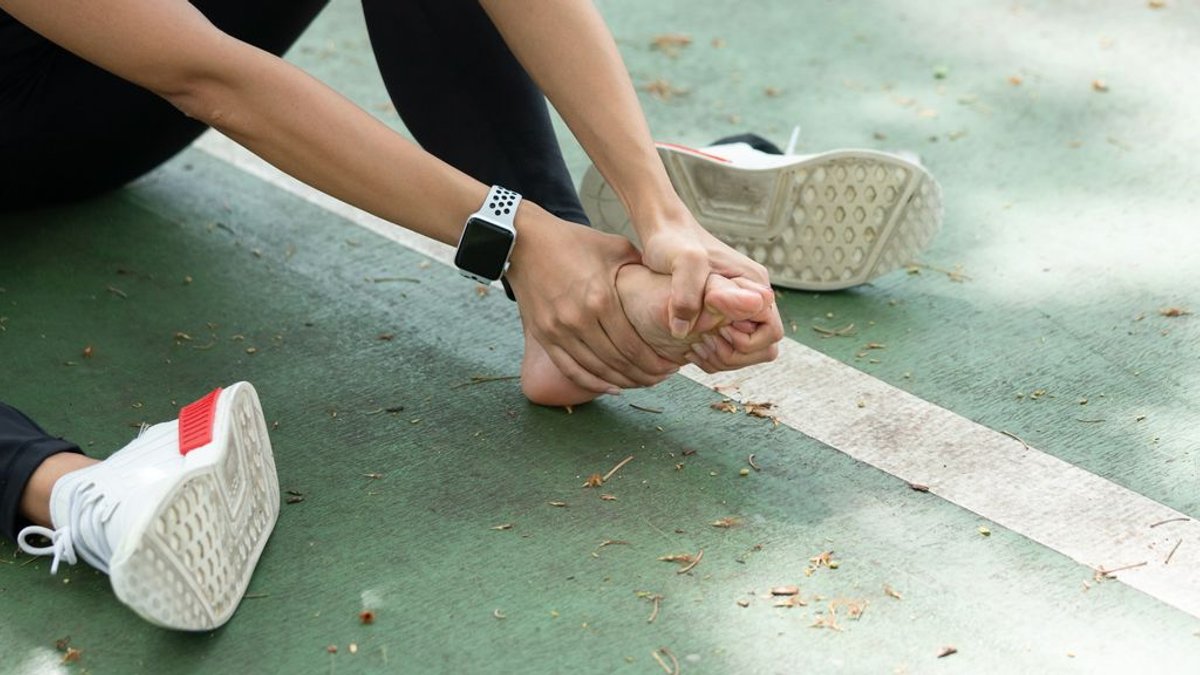
Using dermal fillers to treat sore feet is becoming increasingly common, even if the procedure is nothing new. Medical‑grade silicone has been used to restore padding deflated by age or years of wear and tear since the 1960s. Today, injectables like hyaluronic acid and body fat are gaining popularity among women looking to improve their comfort before big events or daily activities.
The goal is often simple: walking barefoot on the beach, enduring a day in high heels, or completing a long pilgrimage like the Camino de Santiago without pain.
Related: Sick Building Syndrome: Why You Feel Ill at the Office
Why the padding disappears
Over time, the natural fatty cushion on the bottom of the foot dissipates. Fat pad atrophy affects roughly 30% of people over the age of 60. Without that natural protection, the bones in the feet come into closer contact with the ground, which causes a deep bruise‑like pain in the heels or balls of the feet when standing or walking barefoot for long periods.
Comparing the structure of a baby’s foot to an adult’s illustrates this loss clearly. As we age, wear and tear breaks down that plush tissue, and heavy use speeds the reduction.
Related: New School Programs Boost Literacy for Young Readers
Dr. Ben Pearl, a podiatrist at Arlington Foot and Ankle in Arlington, Virginia, specializes in sports medicine. He treats endurance athletes looking to restore cushion lost from pounding the pavement. While the concept is familiar to the public, the application for feet requires a different level of expertise than cosmetic injections. Dr. Pearl uses ultrasound to help determine where to replace the fat to offload the pain accurately.
Options for injectable treatment
Patients have several choices for injectables, many of which are the same options available for cosmetic use. Hyaluronic acid filler adds physical volume and cushioning. Calcium hydroxylapatite, such as Radiesse, adds firm volume while also promoting new collagen growth. Sometimes human body fat is used as the injectable, known as adipose tissue, a practice that is quickly becoming the preferred method.
Related: 13 Black Women Survive and Thrive With Breast Cancer
“[A fat injection] actually recruits your body to rebuild the fat pad in that area so it has a much longer duration,” says Anne Sharkey, DPM, of Soley Podiatry in Austin. Fat allografts from brands like Liposana and Leneva may last as long as two years, compared to hyaluronic acid fillers, which typically need a touch‑up in six to nine months. This approach appeals to patients who want lasting relief rather than temporary fixes.
Dr. Sharkey notes that while scientific studies corroborate the efficacy of the treatment, the procedure is complex. The skin is much tougher on the feet than the face.


