
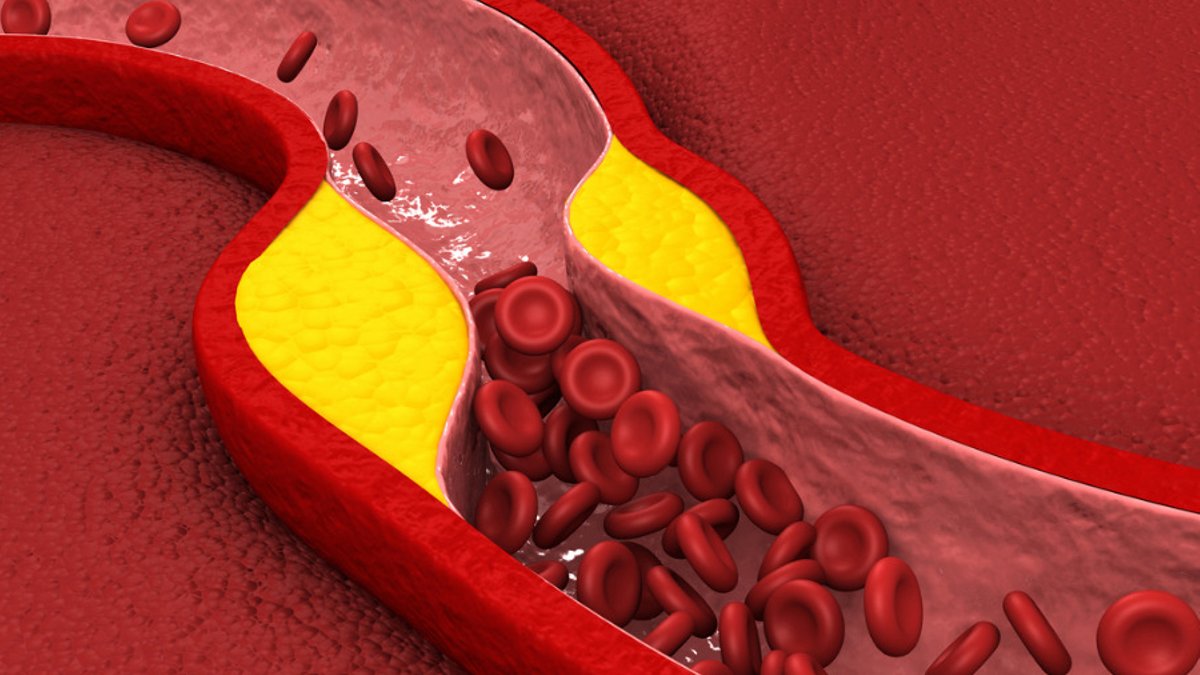
Doctors have long encouraged patients to lower their LDL cholesterol, the so-called “bad” cholesterol that contributes to a buildup of plaque inside arteries. According to the report, newly released 2026 American College of Cardiology and American Heart Association cholesterol guidelines have moved the goalpost for LDL cholesterol.
As a result, millions of Americans are falling short of newly-recommended cholesterol goals, a recent national study finds, leaving many at unnecessary risk for heart attack and stroke.
The Mass General Brigham Hospital survey looked at how Americans measure up against the new cholesterol guidelines and found a surprisingly wide gap between recommended LDL cholesterol levels and where many Americans’ levels actually stand.
A large share of heart attacks and strokes are preventable with medications that have been available for decades. Yet many people who would benefit from treatment are not getting any, notes the study.
Related: AI Toys Now Conversing Directly With Children
The investigators used data from over 2,300 adults between the ages of 30 and 79 who participated in the National Health and Nutrition Examination Survey from 2021 through 2023. Because this survey is designed to represent the U.S. population, those participants reflect roughly 178 million American adults.
Researchers applied the new 2026 cholesterol guidelines to determine how many people would meet today’s recommended LDL cholesterol targets. Unlike previous recommendations, the new guidelines tailor LDL cholesterol goals according to a person’s overall cardiovascular risk.
The greater your risk of developing heart disease, or experiencing another cardiovascular event, the lower your LDL cholesterol should be. For instance, for someone at relatively low risk, treatment may be considered when LDL reaches 160 mg/dL or higher.
But for folks who have already suffered a heart attack or stroke and are considered at very high risk, the recommended target is below 55 mg/dL.
Nearly one in three adults who never experienced a heart attack, stroke or other cardiovascular event, had LDL cholesterol levels above the new recommended goals. Even more concerning, about 75 percent of those individuals were not taking any cholesterol-lowering medication.
Related: Women Fight for Lasting Change
Nearly four out of five of the people who already had heart disease had LDL cholesterol levels above the new target. Most of them were already taking cholesterol-lowering medication, suggesting that while treatment had begun, it often was not strong enough to achieve the more aggressive goals recommended by the new guidelines.
According to lead author, Shady Abohashem, MD, MPH, Head of Cardiac PET/CT imaging Trials in the Cardiovascular Imaging Center at the Mass General Brigham Heart and Vascular Institute, “The gap between where the country’s cholesterol levels actually are and where the new guidelines say they should be is much wider than most people realize,”
Shady Abohashem added, “Heart disease remains a leading cause of death in this country, and a large share of heart attacks and strokes are preventable with medications that have been available for decades. Yet many people who would benefit from treatment are not getting any. That’s a missed opportunity at the scale of millions,”
Considering the new guidelines, it’s possible that a more personalized approach to cholesterol management could lead to better outcomes, as patients and physicians work together to set and achieve tailored LDL cholesterol goals.
Related: Handwriting analyzed for dementia signs
The results show that two different challenges are emerging. For people who have never had heart disease, the biggest problem is that many who qualify for treatment simply have not started it. For patients who already have cardiovascular disease, the issue is often that current treatment is not aggressive enough to reach today’s lower LDL goals.
In those cases, physicians may need to prescribe a higher dose statin, add another cholesterol-lowering medication or consider newer therapies. The study also established an important benchmark, as the data were collected before the new guidelines were released.
Future research can determine whether cholesterol management improves as physicians and patients adopt the updated recommendations. In the meantime, the authors encourage people to know both their LDL cholesterol number and the goal that’s appropriate for their personal level of cardiovascular risk.
The message from this study is straightforward: cholesterol management is essential and one-size-fits-all is no longer appropriate. Review your cholesterol numbers with your healthcare provider, as it could be a lifesaving conversation, and visit the American Heart Association website for more information on heart health.


