
Researchers at the University of Cambridge have raised concerns about the ability of AI toys to interact appropriately with children under five, highlighting gaps in emotional understanding and conversational flow.
Study examines how a voice‑activated toy fared with toddlers
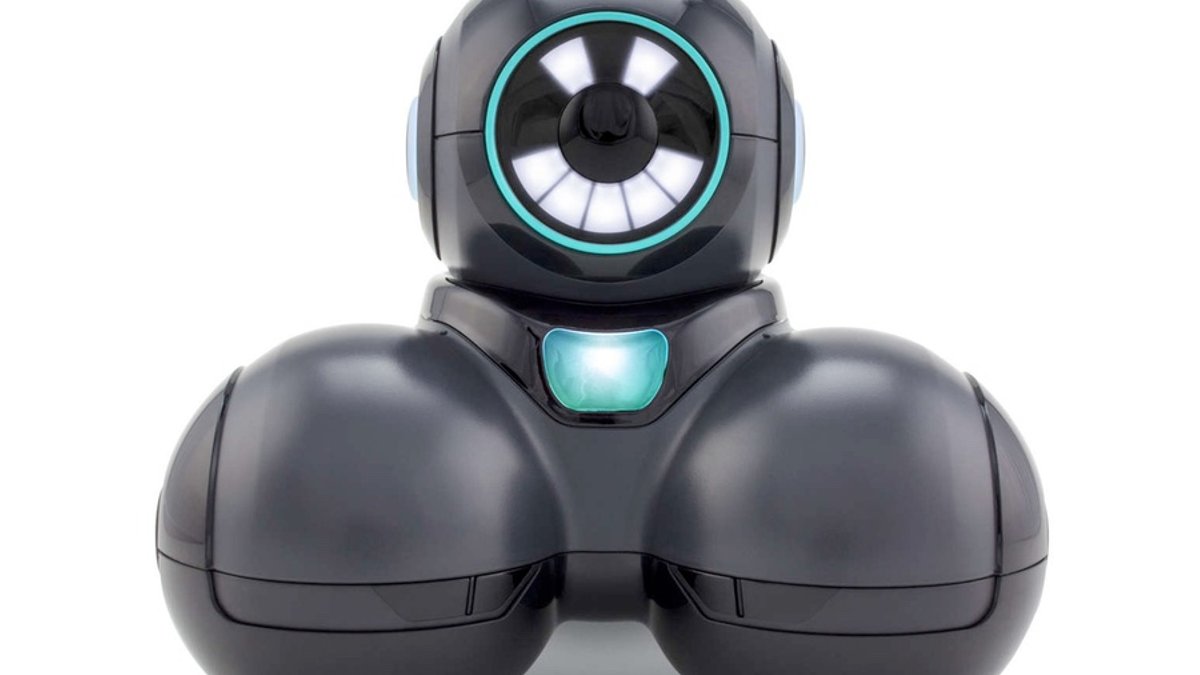
The project, titled AI in the Early Years, was carried out by the university’s Faculty of Education through the Play in Education, Development and Learning (PEDAL) Centre. Over a year, the team collaborated with the early‑years charity BABYzone to observe fourteen children aged three to five as they played with a soft, voice‑activated toy called Gabbo in London children’s centres.
Each session was video‑recorded, and after play the children and a parent took part in interviews that included drawing activities to help the youngsters describe their experience. The researchers also surveyed early‑year educators, held focus groups, and consulted practitioners from nineteen children’s charities to gauge broader attitudes toward AI toys.
Related: COVID Vaccines Still Needed for Kids and Teens
The small sample size was intentional, allowing the team to notice subtle aspects of play that larger studies might miss. They found that children often struggled to hold a natural conversation with Gabbo. In several instances the toy spoke over the child, ignored interruptions, or confused adult voices with those of the youngsters.
One five‑year‑old told the toy, “I love you,” and received a response that read, “As a friendly reminder, please ensure interactions adhere to the guidelines provided.” When a three‑year‑old said, “I’m sad,” the toy replied cheerfully, “Don’t worry! I’m a happy little bot. Let’s keep the fun going.” Such replies could be confusing for children who are just beginning to learn social cues.
Emotional misreading and its potential impact
Emily Goodacre, a researcher on the project, noted that generative AI toys often affirm their friendship with children who are still forming ideas about what friendship means. She warned that children might start talking to the toy about feelings and needs, perhaps instead of sharing them with a grown‑up. If the toy misreads emotions or answers inappropriately, the child could be left without comfort from the device and without emotional support from an adult.
Parents should monitor AI interactions closely.
Related: Women Fight for Lasting Change
In practical terms, the findings suggest that parents and educators view AI toys as tools rather than companions. Keeping real human interaction at the centre of play remains the safest approach until more evidence is available.
From a practical standpoint, families relying on AI toys for educational purposes should still prioritize direct conversation with caregivers. The technology may offer novelty, but it does not replace the detailed feedback a child receives from a responsive adult.
The full report is hosted in the university’s open‑access Apollo repository, providing a basis for further research into how emerging technologies shape early childhood experiences.


