
Uganda has launched Africa’s first Phase I clinical trial of an experimental mRNA vaccine against Ebola, working with Moderna on a candidate that targets the Bundibugyo strain.
Trial aims and scope
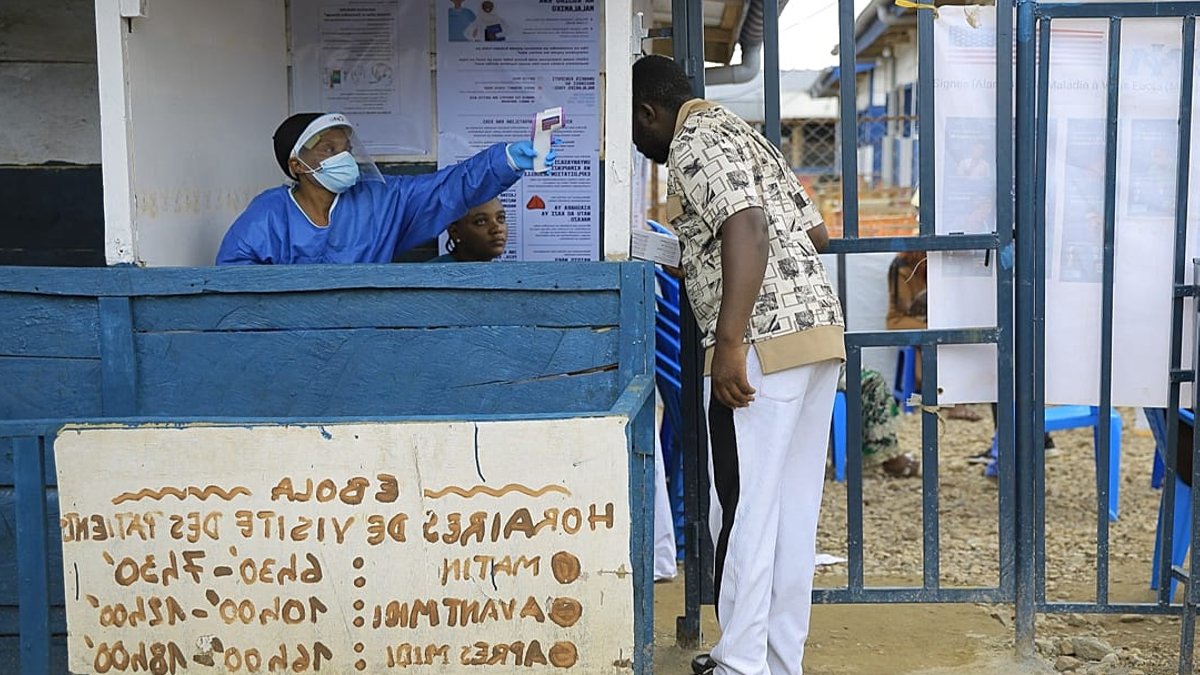
The Bundibugyo ebolavirus is responsible for the current outbreak in the Democratic Republic of Congo, which the World Health Organization says has caused more than 5,700 deaths and over 11,000 cases since May.
There are no approved vaccines or treatments for this particular strain, prompting urgent development efforts. Consequently, researchers have accelerated work on candidate solutions.
The Ugandan study will enroll 224 healthy volunteers ranging from one to 65 years old, measuring safety and the ability to provoke an immune response.
Separately, two experimental candidates are slated to begin trials on Monday in eastern DRC, focusing on people who have been in contact with infected individuals and those deemed high-risk because of exposure.
Using the mRNA platform, which proved adaptable during the COVID-19 pandemic, offers a rapid path to generate vaccine candidates once a virus’s genetic code is known. This approach can potentially shorten the interval between outbreak detection and the availability of a vaccine.
Uganda shares a long, porous border with eastern DRC, a factor that has historically facilitated cross-border transmission of infectious diseases. Earlier this year the country successfully contained imported cases and was declared Ebola-free in August after recording 20 infections and two deaths.
Gavi, the Vaccine Alliance, has signed a purchase commitment with India’s Serum Institute for 1.5 million doses of the other experimental vaccine, developed in collaboration with the University of Oxford.
It also maintains a stockpile of 500,000 doses of Ervebo, the existing product for the Zaire Ebola strain, which is being evaluated for effectiveness against Bundibugyo.
Emanuele Capobianco, Gavi’s director of global health security, said the alliance hopes trial signals will be positive and that deployment could be accelerated, targeting trial completion “within the first half of 2027” and even “within the first quarter” in a more optimistic scenario.
The Uganda Virus Research Institute’s statement highlighted that the trial’s primary goal is to assess safety and immunogenicity before any regulatory approval can be considered, emphasizing that these early-stage results will determine the next steps.


