
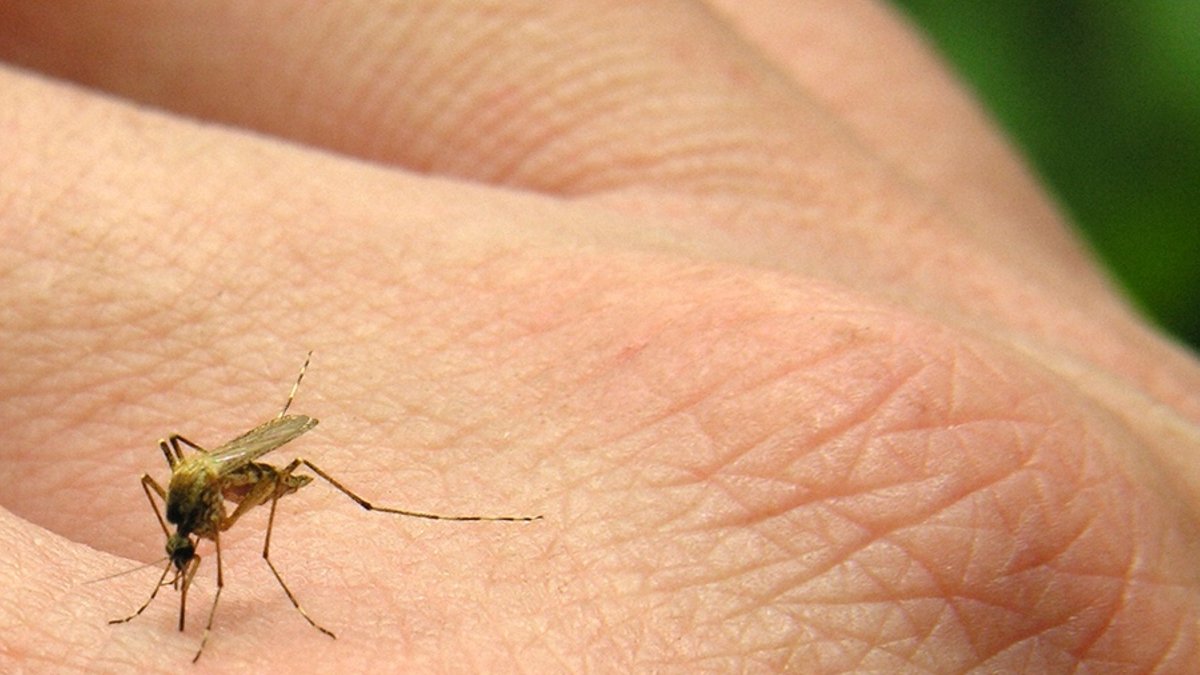
Backyard spraying of pyrethroid insecticides may be speeding the spread of insecticide‑resistant mosquitoes, according to two recent studies from North Carolina State University.
Genetic evidence shows rapid rise in resistance
Researchers examined samples of the Asian tiger mosquito, Aedes albopictus, collected in Wake County between 2016 and 2024. Genetic screening focused on the “knockdown resistance” (kdr) mutation that reduces sensitivity to the pyrethroids most commonly used in residential sprays. No resistant specimens were found in 2016 or 2017. The first appearance of the mutation was recorded in a small cluster in 2018, and by the end of the five‑year period it had been detected in 84 percent of the surveyed residential blocks, with 39 percent of the mosquitoes carrying the mutation.
“This mutation is often the first to show up when there’s insecticide resistance,” said Martha O. Burford Reiskind, associate professor of biological sciences and corresponding author of both papers. The findings, published in Parasite & Vectors, suggest that the genetic change spread quickly once it emerged.
Wealthier neighborhoods see higher resistance rates
The second study linked the prevalence of the kdr mutation to neighborhood property values, using wealth as a proxy for spraying intensity. While the researchers did not directly measure how often residents applied insecticides, they noted that higher‑value areas are more likely to hire professional mosquito‑control services or purchase consumer products. This pattern creates stronger selection pressure, allowing resistant mosquitoes to survive and reproduce.
Public health officials worry that widespread resistance could limit the tools available during outbreaks of diseases such as dengue, Zika or chikungunya, which the tiger mosquito can transmit. The CDC outlines the health risks posed by these vectors and emphasizes the need for effective control strategies.
Despite the unsettling data, experts do not advise abandoning chemical control altogether. Pyrethroids still play a role, especially in regions where mosquito‑borne illnesses are common. However, the authors recommend integrating non‑chemical methods into a broader pest‑management plan.
Related: User Blocked After Policy Violation
Reducing standing water is a cornerstone of such an approach. Emptying birdbaths, cleaning clogged gutters, turning over containers that collect rain, and refreshing pet water dishes can disrupt the mosquito life cycle before larvae hatch. These steps lessen the reliance on repeated sprays throughout the summer.
From a broader perspective, the rise of resistant tiger mosquitoes illustrates how human interventions can unintentionally shape pest populations. When a control method is applied indiscriminately, it can create a selective environment that favors individuals with survival‑enhancing traits. Over time, the community may find that a once‑reliable tool loses its efficacy, prompting a shift toward more diversified strategies.
Researchers stress that the issue is not merely academic. If resistance continues to spread, municipalities could face higher costs and more complex logistics during disease outbreaks. The studies serve as a reminder that frequent backyard applications, while seemingly harmless, may be contributing to a growing public‑health challenge.
For homeowners, the practical takeaway is clear: limit chemical use, maintain clean yards, and consider professional advice that incorporates multiple tactics. By doing so, residents can help preserve the effectiveness of insecticides for the moments they are truly needed.
Take action today.


