
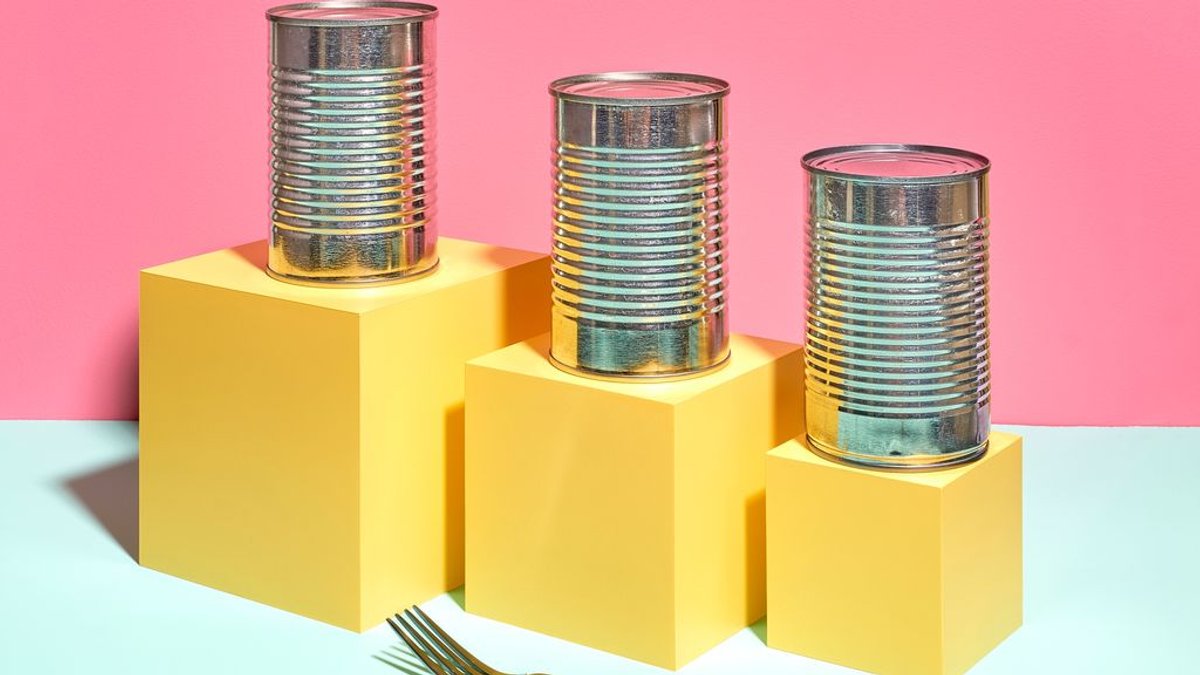
Social media influencers often make it seem like the only path to a healthy family meal is growing your own vegetables and grinding your own flour. The implication is that reaching for a bag of frozen peas or a can of soup means you’re cutting corners as a parent. That pressure ignores a basic reality for most people: time is short, and food costs are high. Dietitians say the guilt is misplaced. Canned, frozen, and packaged goods are not just acceptable substitutes for fresh produce—they’re often a smarter choice for both your budget and your schedule. “Groceries are a fortune,” Anthea Levi, MS, RD, a Brooklyn-based health writer and the founder of Alive+Well Nutrition, tells SELF. Fresh items tend to be the most expensive items in the store, which makes the freezer and pantry aisles a practical alternative for families watching their spending.
Beyond the lower price point, these shelf-stable staples offer serious staying power. “You can keep them in your freezer for months, so that often gives people confidence” in the purchase, Desiree Nielsen, RD, a recipe developer focused on plant-based nutrition, tells SELF. That durability translates directly into less waste. “Fresh salad greens are notorious for going slimy in the fridge, but you’ll never have that issue with frozen spinach. Ditto for fish,” Levi says.
Nielsen pushes back on the idea that packaged automatically means unhealthy. “There has been a lot of confusion about the nature of these foods in general. Just because something is processed or packaged does not mean it’s unhealthy,” she says. “Constant access to fresh foods is, unfortunately, a luxury. If canned, frozen, or packaged items are the only way you’re able to put a fruit or vegetable on your plate, go for it,” Levi adds.
Related: Single older women report contentment without marriage
The practical question isn’t whether to use these foods—it’s how to pick the best versions of them. The nutrition facts label is the first place to start. “Typically, the fewer ingredients, the better,” Levi says. Canned peas, frozen fruit, and canned salmon are often made from just one or two whole-food ingredients and are “as close to fresh foods as you can get, and just as nutritious.”
That rule has limits, though. “Just because an ingredient looks fancy or technical or like a chemical does not necessarily mean that it’s bad for you,” Nielsen points out. Many processed foods—including bread, milk, and breakfast cereal—are fortified with vitamins and minerals you might otherwise miss. Vitamin C, which can appear on ingredient lists as “ascorbic acid,” is a prime example. “You might not recognize that what you’re looking at is vitamin C, so you don’t want to scare yourself off of potentially nutritious and valuable food,” she says.
Canned beans are an “incredible nutrition source,” according to Nielsen, offering fiber, plant-based protein, iron, and zinc. The main drawback is sodium. Veggies, soups, and tinned fish can be heavy on added salt, which is linked to high blood pressure and heart disease when consumed in excess. Look for labels like “No salt added,” “Low sodium,” or “No sodium” when shopping. If those options aren’t available, draining and rinsing canned products before use can cut sodium content by up to 40%, though it may also wash away some water-soluble nutrients like vitamin C.
Related: Study Finds New Treatment for Common Sports Injuries
When scanning labels, Nielsen looks for nutrients to limit and others to prioritize. Added sugars and saturated fat are the ones to minimize. “Peaches that come canned in sugary syrup aren’t as nutritious as peaches that come canned in water, or are purchased frozen or fresh,” Levi says. On the flip side, “what you want to see is fiber,” Nielsen says, with protein as “a big bonus.” Even breakfast cereals can be “incredible sources of minerals like iron and zinc—things that we need that help to keep our metabolism running.”
Comparing similar products side by side can make the choice clearer. “Which one of these cereals gives me the most fiber, the most protein, has the least sugar?” is the kind of question Nielsen suggests asking. Seeing that a cereal provides 10% to 20% of your recommended dietary allowance is a good sign that you’re holding a genuinely nutritious food.
Frozen vegetables have one notable downside: texture. They can turn soggy if prepared poorly. To avoid that, cook frozen veggies straight from the freezer rather than thawing them first, according to Levi. Use heat-based methods like air-frying, baking, roasting, or stir-frying “as opposed to water-based methods like boiling or steaming,” she says.
Related: New Public Health Guidelines Released
Pairing items strategically can also stretch your effort. “Many of us are working more than ever before—maybe working two or three jobs—and we don’t have a lot of time to put a home-cooked meal on the table,” Nielsen says. Adding a can of lentils to canned soup boosts its fiber and protein. Tossing frozen peas into spaghetti stretches leftovers into another meal entirely.
Stocking your freezer and pantry with budget-friendly canned, frozen, and packaged items can help make balanced meals a breeze, Levi says. The “plate method” keeps things simple: a quarter of your plate for whole grains or starchy vegetables, another quarter for protein, and half for fruits and non-starchy veggies. Rolled oats with chia seeds, frozen berries, and peanut butter works for breakfast, or pasta with tinned sardines and frozen broccoli for dinner. “It sounds way too simple, but it is backed by so much science to help you balance your diet without counting anything,” Nielsen says. “As long as you stick to that plate method, you will be eating a nourishing diet”—even when your ingredients come from a can.


