
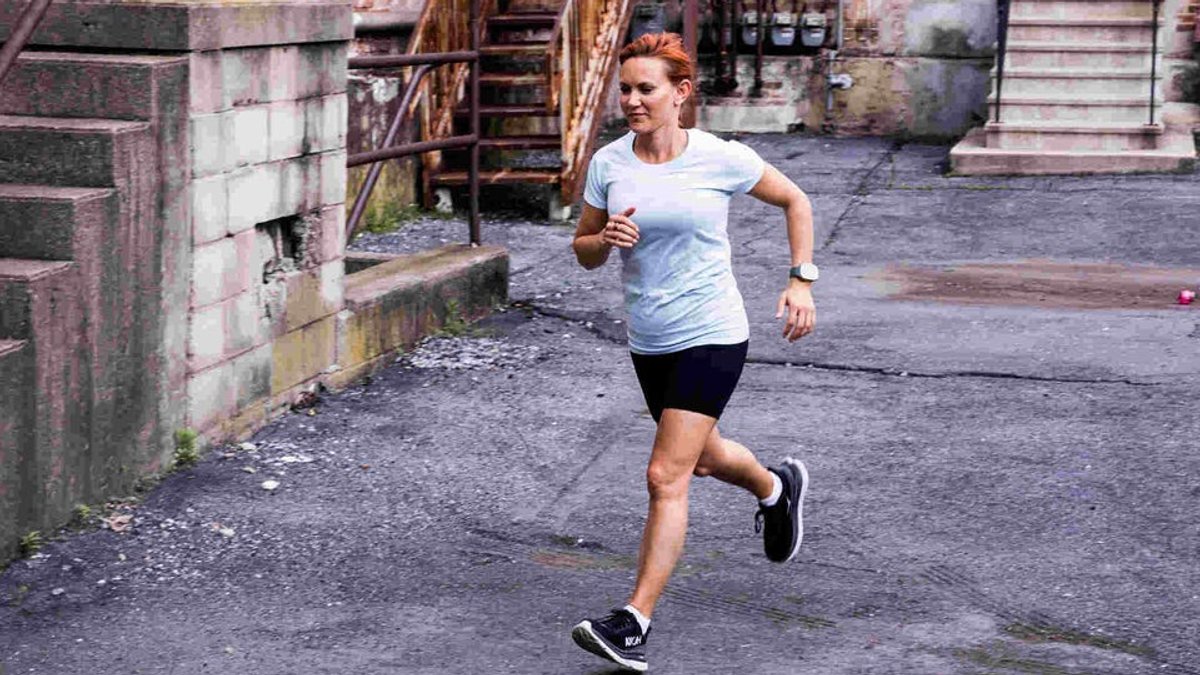
A runner who had repeatedly failed to break a 4-hour finish in the New York City Marathon—despite a 4:09 personal best in 2019—finally crossed the sub-4-hour mark in 2024. The turning point wasn’t simply increased mileage or brute endurance work but the introduction of tempo runs, a disciplined workout designed to sustain a pace just shy of exhaustion. For years, the runner had treated long-distance training as a monotonous grind, but the shift toward structured pace variation proved transformative.
By 2021, the runner had completed two marathons without dipping below 4 hours, including a 4:30 finish that year. That result left them questioning whether their training approach was fundamentally flawed. Rather than doubling down on the same methods, they adopted a more varied schedule, blending easy runs with harder efforts to teach their body and mind to manage discomfort. The key was not just physical adaptation but learning to adopt controlled strain without collapsing under it.
Tempo runs, often mistaken for threshold runs, target a 6 out of 10 effort level—challenging enough to accumulate lactate but sustainable over longer distances. Unlike lab-calibrated threshold paces, most runners rely on perceived exertion rather than precise heart rate or pace data. For this runner, the breakthrough came when tempo efforts became a cornerstone of both standalone workouts and embedded segments within longer runs. A 12-mile session might include three easy miles, six at tempo, and three more easy, training the body to recover between hard efforts while reinforcing endurance. The mental shift was equally critical: accepting discomfort as a signal to engage rather than retreat.
How Tempo Runs Reshape Mind and Body
Kai Ng, a USATF- and RRCA-certified run coach, explains the workout’s dual challenge. “It should feel like you want to stop, but you don’t have to,” Ng says. “You can still keep going.” The physiological benefits, improved aerobic capacity, muscle efficiency, are measurable, but the psychological ones endure. Many runners, Ng notes, undermine their own performance before the race even begins, convinced they cannot handle speeds that are well within their capacity. The runner’s training logs from 2024 show a clear pattern: the more tempo efforts they incorporated, the more their race-day confidence grew.
By 2024, the runner had internalized the lesson that discomfort was not a barrier but a cue to lean forward. On race day, when fatigue set in during the later miles, they recalled the tempo runs’ rhythm—tall posture, quick turnover, the mantra “run strong” repeated like a lifeline. The result was a 3:49 finish, nearly 40 minutes faster than their 2019 time. The difference wasn’t just added speed work but a recalibration of how effort was perceived. Years of training at a steady, moderate intensity had made every workout feel similarly taxing, but introducing structured variations revealed untapped capacity. Easy runs became genuinely easy, while faster efforts exposed new thresholds.
Race Day Confidence Built on Controlled Strain
Ng emphasizes that the mental benefits of tempo runs extend beyond race day. The runner’s logs from 2024 reflect this shift: after completing a tempo segment, they often noted a surge in confidence, even when the run left them breathless. This psychological reinforcement became evident in their approach to the 2024 marathon. When fatigue set in around mile 20, they relied on the rhythm of their tempo runs—tall posture, controlled breathing, the repetition of “run strong” as a counter to doubt. The mantra wasn’t just motivation; it was a reminder of what their body had proven capable of in training.
By race week, the lessons had become instinctive. The 2024 marathon began cautiously, but by mile 18, the runner leaned into the tempo rhythm they’d practiced. The negative split in the final miles, finishing in 3:49—was more than a time improvement; it validated the training philosophy. The key was not avoiding discomfort but mastering it, turning perceived limitations into measurable progress. The runner’s post-race reflection centered on one detail: how their legs had responded to the tempo pace, as if recalling the training sessions where they’d learned to trust them.


