
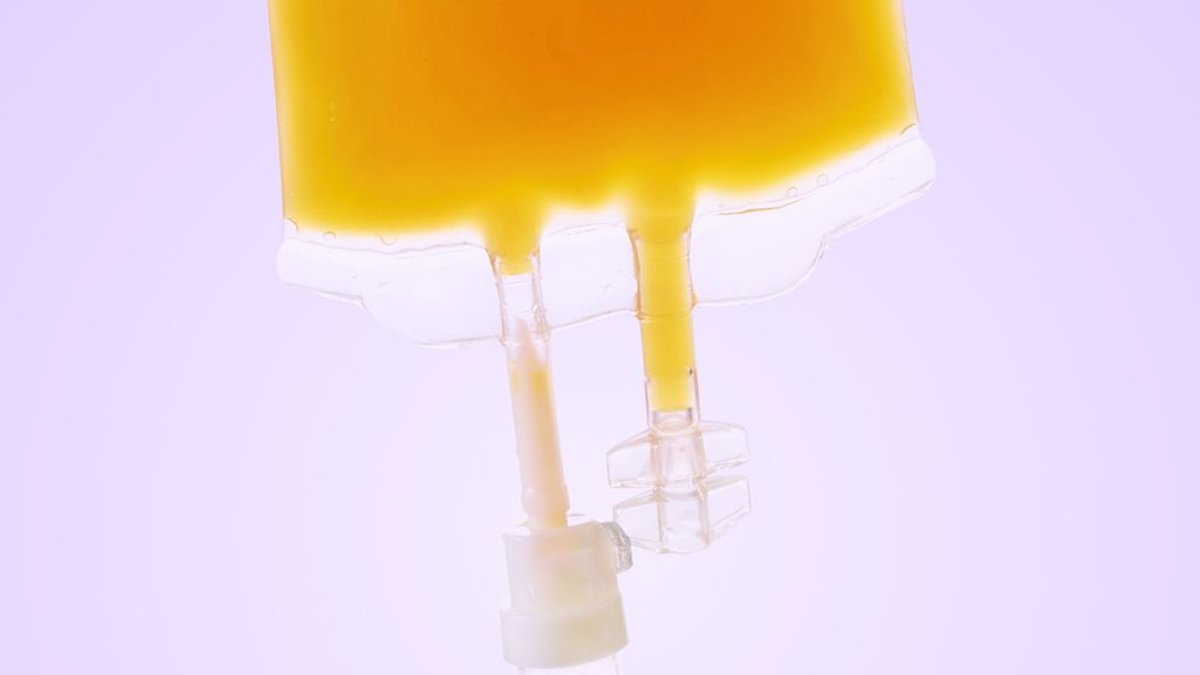
Therapeutic plasma exchange, a process that removes and replaces the liquid component of blood, has been linked to a modest reduction in measured age metrics in a recent clinical trial.
What the Procedure Involves
Plasma, the watery medium that carries proteins, hormones and metabolic signals, acts like a delivery network for the body’s cells. Researchers can filter this fluid and return it mixed with purified albumin, saline or other additives. The aim is to reset circulating factors that may influence aging.
Study Finds Short‑Term Age Shift
In a 2025 investigation, 42 volunteers underwent the exchange, with some receiving an additional immune‑boosting infusion. Laboratory panels tracked changes in thousands of circulating proteins, a method that estimates a person’s “biological age.” The interim analysis reported an average drop of about 2.5 years for participants compared with their baseline.
Related: The Rise of Fiber Training and Its Benefits
“It’s a transport system like DHL, a vehicle to bring things from your brain to your muscles, from kidney to lungs, and so on,” said Dr. Andrea Maier, a geriatrician involved in the work. “So it’s fluid with lots of information.”
According to Dr. Keenan Walker, a senior investigator at the National Institute on Aging, “people whose biological age exceeds their chronological age face higher risk of chronic disease.” The study therefore targeted a metric tied to health outcomes.
Parabiosis experiments from roughly a decade and a half ago had already shown that linking old mice to young partners improved tissue resilience. Those animal studies sparked interest in whether swapping plasma could convey similar benefits to humans.
Related: Sleep apnea affects women uniquely
During the trial, participants’ plasma was replaced with a solution of albumin and saline; a subset also received intravenous immunoglobulin. Researchers measured outcomes at the study’s midpoint and again at its conclusion.
While the mid‑term numbers suggested a noticeable rejuvenation signal, the final data showed the effect largely fading. The geriatrician noted that the “2.5‑year younger” figure compared the midpoint to baseline, not the end point, and that biomarkers drifted back toward original levels.
The temporary nature of the change likely reflects the body’s response to a sudden influx of altered fluid. Overwhelming the circulatory system can trigger stress pathways, causing the initial shift to reverse as homeostasis reasserts itself.


